Lasermed: Laser Clinic & facial rejuvenation
  • Treatmentsskip-track2
    • Fractional Resurfacing Laser
    • Intense Pulsed Light (IPL)
    • Chemical Peels
    • Dermapen 4 Advanced Skin Needling
    • Hair Removal
    • Tattoo Removal
    • CO2 Fractional Resurfacing
    • Microdermabrasion
    • Pigmented Lesion Removal
    • Skin Tightening
    • Vascular Lesion Removal
    • Vitiligo Treatmentskip-track2
      • Other Treatmentsskip-track2
        • Botox®
        • Fillers
        • Sclerotherapy
  • Solutionsskip-track2
    • Treatment Options
    • Laser Safety
  • Our Storyskip-track2
    • Overview
    • Our People
    • Treatments Per Branch
    • Products
  • Trendingskip-track2
    • Expert Articles
    • Latest News
  • Special Offers
  • Touch Base
149852
HomeBlog Posts
27Jun

Alleviating ingrown beard hairs

by Lasermed

Although laser hair removal may alleviate the suffering of those with ingrown beard hairs – a condition known as pseudofolliculitis barbae – the condition can’t be cured permanently. Dr Jonathan Smith discusses this problem.

Even though pseudofolliculitis barbae is a true inflammation of the hair follicle, the inflammation occurs due to ‘mechanical irritation’ and not because of a primary microbial infection. The condition is genetically-determined – those who develop it inherit very tough beard hair. These hairs can’t be cut parallel to the skin surface, but are dragged out of their follicles and cut off skew (ie with a sharp point). The natural recoil results in a sharp-pointed hair being trapped in its sheath – what’s commonly known as ‘ingrown’.

When the sharp point penetrates the sheath, inflammation and secondary infection occurs, resulting in red papules, yellow pustules and scarring. Unfortunately, the nature of one’s beard hair can’t be changed so that this problem is usually chronic, although it does improve as one ages and the hairs become softer.

The obvious solution to this “mechanical” problem is to grow a beard. Members of the police and armed forces regularly visit dermatologists to acquire a ‘beard pass’. Hairs can also be permanently “lasered away”, but many men don’t find this ‘loss of masculinity’ acceptable.

Systemic (antibiotics, especially tetracyclines) and topical (keratolytics and antimicrobials) therapeutic modalities are effective in the short term, but can’t cure this chronic problem.

The following shaving hints tend to bring some relief:

  1. Use a single blade, preferably a guarded one
  2. Always ensure that the blade is sharp – use once, maximum twice
  3. Wait for 5 minutes once the shaving cream has been applied before starting to shave – this is by far the MOST IMPORTANT hint as the hairs are then softer when shaved
  4. Shave in the direction of beard hair growth
  5. Don’t pull on the skin while shaving

Lasermed offers laser treatments for ingrown beard hairs.


14Jun

Is Rosacea leaving you red-faced?

by Lasermed

Live life well with the correct rosacea management. Dermatologist Dr Pieter Dempers explains.

This chronic skin condition affects mainly the central facial areas. It consists of various signs and symptoms that include persistent redness and sensitivity of the face, facial flushing, the appearance of small broken veins on the skin surface and the eruption of red inflammatory spots and pimples. The nose can enlarge and even the eyes may become affected.

The cause of rosacea is not fully understood, but theories include genetic, environmental, vascular, inflammatory and infectious factors. Trigger factors that may aggravate rosacea include: alcohol, hot beverages, spicy food, heat/cold/humidity, sunlight, stress and harsh cosmetics.

People who are prone to rosacea are those between the ages of 30 and 50, fair-skinned, of Celtic origin and mostly females. There are four types of rosacea, but not everyone experiences every type and each type can affect people differently.

Vascular Rosacea is characterised by frequent flushing and chronic redness of facial skin. Some people also have visible blood vessels creeping across the bridge of the nose and the cheeks. The symptoms are minor and topical or oral rosacea medications can treat the condition at this stage. Laser treatment can be used to zap broken blood vessels.

Inflammatory Rosacea’s key symptom is chronic redness of the face, as well as an outbreak of red bumps and pimples, which are different from actual acne and require a different treatment – notably topical gels.

Phymatous Rosacea may develop when rosacea is left untreated. A bulbous, lumpy and very red nose is the classic symptom. Excess skin may also grow on the cheeks or forehead, giving it a thickened appearance. Phymatous rosacea occurs more frequently in men. The thickened skin is often addressed with laser and surgical treatments.

Ocular Rosacea can provoke a long list of symptoms, from dryness or a gritty sensation in the eyes to tearing, burning, itching, or stinging. You might have bloodshot eyes, frequent styes, swelling of the eyelids or redness on the margins of the lids. Ocular rosacea can be serious, resulting in damage to the cornea. See your doctor or dermatologist straight-away.

Rosacea is treatable and the first step is to avoid trigger factors causing flushing/redness. Use gentle cleansers such as Avéne thermal spring water, Skin Tech ph5 Cleansing Foam or Obagi Nuderm Gentle Cleanser and moisturisers such as NeoStrata Bio-Hydrating Cream, Dermaquest Essential Moisturiser or Bioderma Sensibio Rich Cream, plus regular use of sunscreen – all available at www.dermashop.co.za. The Bioderma Sensibio range is specifically formulated to relieve rosacea. Prescription creams are available for mild cases to treat inflammation and redness, but for more severe cases oral antibiotics are needed.

Persistent, small, broken veins (telangiectasia) can be improved successfully with vascular lasers and IPL treatments at Lasermed.


30May

Successful Vitiligo treatment with Exsys 308 Excimer Lamp

by Lasermed

The Exsys 308 is a XeCl excimer lamp (308nm) available at Lasermed for monochromatic UVB therapy of dermatologic auto-immune diseases, including Vitiligo, Psoriasis, Atopic dermatitis, Hypo-pigmentation, Alopecia areata, Mycosis fungoids and Lichen planus. Ame Smit of Lasermed explains.

The UVB light penetrates the skin and modulates its immune system and stimulates the melanocytes to produce melanin. This type of laser is specially designed to produce ultraviolet light at a very specific wavelength (308nm). It’s ideal to focus on specific areas of the body thanks to its handheld head piece that can be moved around easily to focus on small spots.

Advantages: Healthy skin surrounding the affected areas isn’t exposed to radiation. Different templates are used according to the area to be treated, a higher dose of radiation can be used on the small areas and it can be used on areas difficult to reach with conventional phototherapy.

People with widespread Vitiligo can make use of UVB booths to treat bigger areas, but this also affects normal skin areas. There are more light therapies available, but UVB therapy is known to be a safer option and achieves satisfying results. It’s very important to consult with your dermatologist to determine the best treatment option.

As explained in a previous article, Vitiligo is an auto-immune disorder which affects the melanocytes in the skin, causing the loss of skin colour on any part of the body. The immune system becomes overactive and attacks the melanocytes which produce melanin (colour) in the skin. The condition is not life-threatening or contagious. Treatment may improve the appearance of the affected skin but doesn’t cure the disease.

Exposure to UVB light can help individuals to improve (re-pigment) the affected areas. A combination of UVB therapy and topical steroid creams are more successful treatment options.

There are two main types of Vitiligo:

  • Non-segmental – is the most common type and occurs in up to 90% of sufferers. The patches often appear equally on both sides of the body. Usually found on places more exposed to sunlight.
  • Segmental – affects only about 10% of people of sufferers. It’s non-symmetrical and usually tends to affect areas of the skin attached to dorsal roots of the spine. It spreads more rapidly, but is considered more constant and stable. It’s more noticeable in early age groups and responds well to topical treatment.
22May

Exposure to UV radiation is the most preventable risk factor for all skin cancer types

by Lasermed

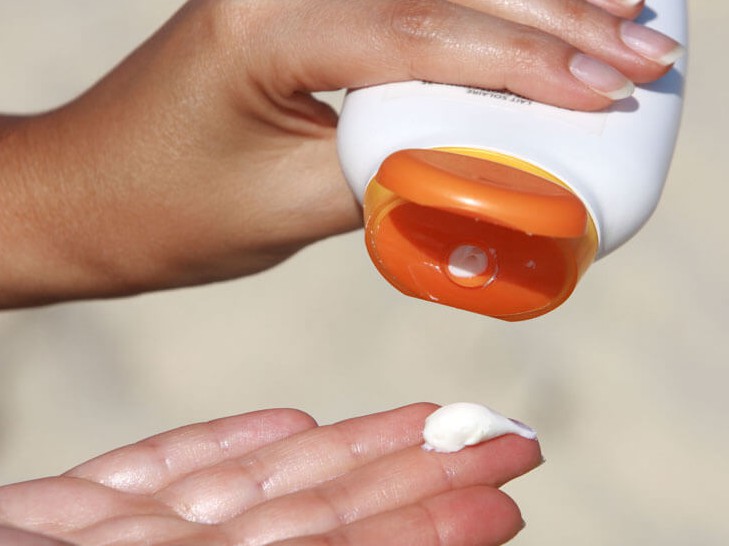
Broad-spectrum sunscreen protects against both UVA and UVB rays, both of which can cause cancer, yet a large percentage of people simply don’t use sunscreen daily.

A higher percentage of women reported that they regularly use sunscreen on their face (42.6 percent) than on other exposed skin (34.4 percent). This discrepancy was smaller among men, with 18.1 percent regularly using sunscreen on their face and 19.9 percent regularly using it on other exposed skin.

“Women may be more likely to use sunscreen on the face because of the anti-aging benefits, or because of the many cosmetic products on the market that contain sunscreen,” says Dawn Holman, MPH, a behavioral scientist at the CDC and the study’s lead author. “However, it’s important to protect your whole body from the sun, not just your face.”

According to the study, men were more likely than women to never use sunscreen, with 43.8 percent of men (compared to 27 percent of women) saying they never use sunscreen on their face and 42.1 percent of men (compared to 26.8 percent of women) saying they never use it on other exposed skin. The study also indicated that sunscreen use is particularly low among those with lower incomes, non-Hispanic blacks and individuals whose skin is less sensitive to the sun.

“Anyone can get skin cancer, so everyone should take steps to protect themselves from the sun,” says board-certified dermatologist Mark Lebwohl, MD, FAAD, president of the American Academy of Dermatology (Academy). “The Academy recommends everyone choose a sunscreen with a label that states it is broad-spectrum, has a Sun Protection Factor (SPF) of 30 or higher, and is water-resistant.”

More than 80 percent of the sunscreen users surveyed reported using an SPF of 15 or higher, while about 60 percent said they use a broad-spectrum formula. Almost 40 percent of users, however, were unsure whether their sunscreen provided broad-spectrum protection.

“Broad-spectrum sunscreen protects against both UVA and UVB rays, both of which can cause cancer,” Dr. Lebwohl says. “Recent sunscreen regulations implemented by the U.S. Food and Drug Administration make it easier for consumers to see on the sunscreen label whether the product is broad-spectrum.”

Follow these Academy tips for effective sunscreen use:

1. Choose a broad-spectrum, water-resistant sunscreen with an SPF of 30 or higher.

2. Apply sunscreen at least 15 minute before sun exposure.

3. Use enough sunscreen to cover your whole body (about an ounce for most adults), and apply it to all exposed areas, including the ears, scalp, tops of the feet and legs.

4. Ask someone else to help you apply sunscreen on hard-to-reach spots like your back.

5. Reapply sunscreen at least every two hours, or immediately after swimming or sweating.

“Using sunscreen can reduce your risk of skin cancer and early skin aging, but it shouldn’t be your only line of defense against the sun,” Holman says. “It’s best to combine sunscreen with other forms of sun protection. Communities can help with strategies like providing shade in outdoor areas, which can make it easier for individuals to stay sun-safe while enjoying the outdoors.”

The Academy offers these additional sun protection tips:

1. Seek shade, especially between the hours of 10 a.m. and 2 p.m., when the sun’s rays are the strongest.

2. Wear protective clothing, including a long-sleeved shirt, pants, a wide-brimmed hat and sunglasses, when possible.

3. Use extra caution near water, sand or snow, all of which can reflect and intensify UV rays.

4. If you want to look tan, use a self-tanning product, but continue using sunscreen with it.

“One in five Americans will develop skin cancer in their lifetime,” Dr. Lebwohl says. “The best way to reduce your skin cancer risk is to protect yourself from UV exposure.”

-sciencedaily.com

8May

Widespread vitamin D deficiency likely due to sunscreen use

by Lasermed

Results from a clinical review published in The Journal of the American Osteopathic Association find nearly 1 billion people worldwide may have deficient or insufficient levels of vitamin D due to chronic disease and inadequate sun exposure related to sunscreen use.

The study also found that 95 percent of African American adults may have vitamin D deficiency or insufficiency. Vitamin D variations among races are attributed to differences in skin pigmentation.

“People are spending less time outside and, when they do go out, they’re typically wearing sunscreen, which essentially nullifies the body’s ability to produce vitamin D,” said Kim Pfotenhauer, DO, assistant professor at Touro University and a researcher on this study. “While we want people to protect themselves against skin cancer, there are healthy, moderate levels of unprotected sun exposure that can be very helpful in boosting vitamin D.”

Dr. Pfotenhauer also said chronic diseases like Type 2 Diabetes and those related to malabsorption, including kidney disease, Crohn’s and celiac disease greatly inhibit the body’s ability to metabolize vitamin D from food sources.

Considered a hormone rather than a vitamin, vitamin D is produced when skin is exposed to sunlight. Vitamin D receptors are found in virtually every cell in the human body. As a result, it plays a wide role in the body’s functions, including cell growth modulation, neuromuscular and immune function and inflammation reduction.

Symptoms for insufficient or deficient vitamin D include muscle weakness and bone fractures. People exhibiting these symptoms or who have chronic diseases known to decrease vitamin D, should have their levels checked and, if found to be low, discuss treatment options. However, universal screening is likely neither necessary nor prudent absent significant symptoms or chronic disease.

Increasing and maintaining healthy vitamin D levels can be as easy as spending 5-30 minutes in midday sun twice per week. The appropriate time depends on a person’s geographic location and skin pigmentation — lighter skin synthesizes more vitamin D than darker skin. It is important to forgo sunscreen during these sessions because SPF 15 or greater decreases vitamin D3 production by 99 percent.

“You don’t need to go sunbathing at the beach to get the benefits,” said Dr. Pfotenhauer. “A simple walk with arms and legs exposed is enough for most people.”

Food sources such as milk, breakfast cereals, and Portobello mushrooms are also fortified with vitamin D. Dr. Pfotenhauer said supplements are a good option, as they are effective and pose few risks, provided they are taken as directed and a physician is consulted beforehand.

Research is ongoing to determine whether vitamin D deficiency has a role in multiple sclerosis, autoimmune disorders, infections, respiratory disease, cardiometabolic disease, cancer, and fracture risk.

“Science has been trying to find a one-to-one correspondence between vitamin D levels and specific diseases,” said Dr. Pfotenhauer. “Given vitamin D’s ubiquitous role in the body, I believe sufficient vitamin D is more about overall health. Our job as osteopathic physicians is to recognize those patients that need to be tested and treat them accordingly.”

Currently, insufficiency is defined as between 21 and 30 ng/ml and deficiency is considered below 20ng/ml by the Endocrine Society.

– Sciencedaily.com. Materials provided by American Osteopathic Association.

8May

Alcohol consumption increases rosacea risk in women

by Lasermed

Increased consumption of alcohol, particularly white wine and liquor, is associated with a higher risk of rosacea in women, new research indicates.

Women who are concerned about the health of their skin may want to think twice the next time they reach for a chardonnay or a Cosmo.

According to new research published online in the Journal of the American Academy of Dermatology, increased consumption of alcohol, particularly white wine and liquor, is associated with a higher risk of rosacea in women.

“Drinking alcohol has a number of effects on your body that can impact your skin,” says board-certified dermatologist and study author Abrar A. Qureshi, MD, MPH, FAAD, chair of the department of dermatology at Brown University in Providence, R.I. “While alcohol has been linked to a variety of skin disorders, including psoriasis and acne, our research suggests that it’s also associated with the development of rosacea in women.”

Rosacea, a skin disease that causes redness and flushing on the face and neck, affects approximately 16 million Americans. To examine this condition’s connection to alcohol consumption, the study authors reviewed data collected from 82,737 women via the Nurses’ Health Study II. Over the 14-year period from 1991 to 2005, there were 4,945 cases of rosacea in the study population.

The research, led by Wen-Qing Li, an assistant professor of dermatology at Brown University, found that women who drank alcohol had an elevated risk of developing rosacea, and that risk increased as their alcohol consumption increased. In examining the risk associated with specific types of alcohol, the researchers found that white wine and liquor were significantly associated with a higher rosacea risk.

Although more research is necessary to determine why alcohol consumption may increase the risk of rosacea, the authors believe that alcohol’s weakening of the immune system and widening of the blood vessels could contribute to the redness and flushing that occur when one develops the condition. The authors say further research is also needed to shed more light on the connections between specific types of alcohol and rosacea.

While red wine has been identified as a rosacea trigger for those who already have the disease, this study suggests it is not significantly associated with developing rosacea in the first place. The authors note that white wine and liquor contain high concentrations of alcohol without the flavonoids and other anti-inflammatory substances found in red wine. Despite its anti-inflammatory properties, however, red wine also contains other substances, like histamine and resveratrol, that may contribute to flushing in patients who already have rosacea, the study says.

“Our research contributes to the sizable body of evidence that demonstrates alcohol’s harmful effects on the body, including the skin,” Dr. Qureshi says. “Science has identified many factors that may potentially cause rosacea, and our study indicates that alcohol may be one of them.”

“Women who wish to maintain the health of their skin — and their overall health — should limit their alcohol consumption,” Dr. Qureshi adds. “Those who believe they have rosacea should see a board-certified dermatologist for the proper diagnosis and treatment.”

– Sciencedaily.com. Materials provided by American Academy of Dermatology.

  • right-arrow2
  • 1
  • …
  • 36
  • 37
  • 38
  • 39
  • 40
  • …
  • 44
  • right-arrow

Date Posts

April 2026
M T W T F S S
 12345
6789101112
13141516171819
20212223242526
27282930  
« Jul    

Tags

Acne acne scars Ageing skin Alexandrite laser anti-ageing Chemical peels Dermapen fine lines and wrinkles Fractional laser Frax 1550 glycolic acid peel hair loss hyperpigmentation IPL laser hair removal Lasermed lasermedbeautifulskin Microdermabrasion Microneedling Mini Frax 1550 moisturiser pigmentation port wine stains Post-traumatic scarring Q-switched laser Q Switched ND:Yag laser Rejuvenation sagging skin skin cancer prevention Skincare skin hydration skin rejuvenation skin tightening Smoother skin solar lentigos Spider veins sunscreen sunscreen mistakes sunspots sun spots Tattoo removal Telangiectasias Utims HIFU vascular laser wrinkles

Blog Posts

Set post(s) as "Featured" to see block

Archives

  • July 2023
  • June 2023
  • May 2023
  • April 2023
  • March 2023
  • February 2023
  • January 2023
  • December 2022
  • November 2022
  • October 2022
  • September 2022
  • August 2022
  • July 2022
  • June 2022
  • May 2022
  • April 2022
  • March 2022
  • February 2022
  • January 2022
  • December 2021
  • November 2021
  • October 2021
  • September 2021
  • August 2021
  • July 2021
  • June 2021
  • May 2021
  • April 2021
  • March 2021
  • February 2021
  • January 2021
  • December 2020
  • November 2020
  • October 2020
  • September 2020
  • August 2020
  • July 2020
  • June 2020
  • May 2020
  • April 2020
  • March 2020
  • February 2020
  • January 2020
  • December 2019
  • November 2019
  • October 2019
  • September 2019
  • July 2019
  • June 2019
  • May 2019
  • April 2019
  • March 2019
  • February 2019
  • January 2019
  • December 2018
  • November 2018
  • October 2018
  • September 2018
  • August 2018
  • July 2018
  • June 2018
  • May 2018
  • April 2018
  • March 2018
  • February 2018
  • January 2018
  • November 2017
  • October 2017
  • September 2017
  • August 2017
  • July 2017
  • June 2017
  • May 2017
  • April 2017
  • March 2017
  • February 2017
  • January 2017
  • December 2016
  • November 2016
  • October 2016
  • September 2016
  • August 2016
  • July 2016
  • June 2016
  • May 2016
  • March 2016

To receive email updates, please provide us
with your email address below.

    Lasermed Tyger Valley

    • placeholder-for-map-16th Floor, Intercare Medical & Dental Centre, 43 Old Oak Road, Bellville, Cape Town
    • telephone-1+27 21 914 6006

    Lasermed City Bowl

    • placeholder-for-map-1181 Bree Street, Cape Town
    • telephone-1+27 21 424 5078
    Copyright 2023 Lasermed | All Rights Reserved | facebook-logo   instagram | Written, designed and maintained by Tomar Communications
    up-arrow-1