Lasermed: Laser Clinic & facial rejuvenation
  • Treatmentsskip-track2
    • Fractional Resurfacing Laser
    • Intense Pulsed Light (IPL)
    • Chemical Peels
    • Dermapen 4 Advanced Skin Needling
    • Hair Removal
    • Tattoo Removal
    • CO2 Fractional Resurfacing
    • Microdermabrasion
    • Pigmented Lesion Removal
    • Skin Tightening
    • Vascular Lesion Removal
    • Vitiligo Treatmentskip-track2
      • Other Treatmentsskip-track2
        • Botox®
        • Fillers
        • Sclerotherapy
  • Solutionsskip-track2
    • Treatment Options
    • Laser Safety
  • Our Storyskip-track2
    • Overview
    • Our People
    • Treatments Per Branch
    • Products
  • Trendingskip-track2
    • Expert Articles
    • Latest News
  • Special Offers
  • Touch Base
149852
HomeBlog Posts
7Mar

Mosaic treatments deliver substantial anti-ageing improvements

by Lasermed

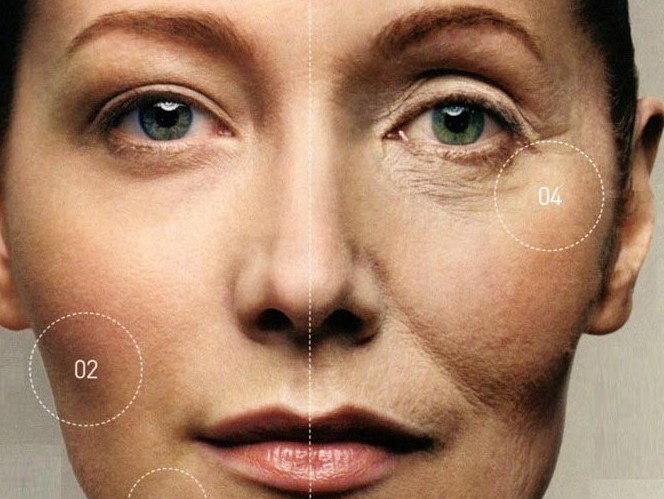
For most people, the significant downtime involved in undergoing an invasive laser resurfacing procedure to reverse the obvious signs of aging skin is not realistic given today’s busy, deadline-driven lifestyle. Now, a number of new minimally invasive laser skin resurfacing technologies are delivering noticeable improvements for people looking to freshen up their look without spending weeks under wraps, as is common with their invasive counterparts.

The search for safe and effective treatments to improve and rejuvenate the tone, colour and texture of the ageing face is never-ending. However, the Mosaic fractional laser, available at Lasermed, has the ability to deliver substantial improvements while leaving the skin’s outermost layer unaffected. The process stimulates natural collagen remodelling without significant downtime and risks. After a single Mosaic Skin Regeneration procedure, your skin will be brighter and regenerated with fresh, renewed collagen. After 3 to 4 treatments, your skin will become tighter and scars will dramatically improve or disappear altogether. Other benefits include: improvement of atrophic scars; smoother skin texture; reduction of wrinkles; reduced pore size; and improved skin elasticity.

It’s perfectly suited to treat the face, neck, chest and hands, as well as acne scars, surgical scars, trauma scars, burn scars and stretch marks.

Since the success of any cosmetic procedure is highly dependent on the skill level of the laser operator, candidates should discuss their options and expectations with their operator before undergoing any treatment.

7Mar

Improving tattoo removal

by Lasermed

Researchers in France have discovered that, though a tattoo may be forever, the skin cells that carry the tattoo pigment are not. Instead, the researchers say, the cells can pass on the pigment to new cells when they die. The study, which will be published March 6 in the Journal of Experimental Medicine, suggests ways to improve the ability of laser surgery to remove unwanted tattoos.

For many years, tattoos were thought to work by staining fibroblast cells in the dermal layer of the skin. More recently, however, researchers have suggested that macrophages — specialized immune cells that reside in the dermis — are attracted to the wound inflicted by the tattoo needle and gobble up the tattoo pigment just as they would normally engulf an invading pathogen or piece of a dying cell. In either case, it is assumed that the pigment-carrying cell lives forever, allowing the tattoo to be more or less permanent.

A team of researchers led by Sandrine Henri and Bernard Malissen of the Centre d’Immunologie de Marseille-Luminy developed a genetically engineered mouse that allowed them to kill the macrophages that reside in the dermis and certain other tissues. Over the following few weeks, these cells are replaced by new macrophages derived from precursor cells known as monocytes.

The researchers found that dermal macrophages were the only cell type to take up pigment when they tattooed the mice’s tails. Yet the tattoos’ appearance did not change when the macrophages were killed off. The team determined that the dead macrophages release the pigment into their surroundings, where, over the following weeks, it is taken up by new, monocyte-derived macrophages before it can disperse.

This cycle of pigment capture, release, and recapture occurs continuously in tattooed skin, even when macrophages aren’t killed off in a single burst. The researchers transferred a piece of tattooed skin from one mouse to another and found that, after six weeks, most of the pigment-carrying macrophages were derived from the recipient, rather than the donor, animal.

“We think that, when tattoo pigment-laden macrophages die during the course of adult life, neighboring macrophages recapture the released pigments and insure in a dynamic manner the stable appearance and long-term persistence of tattoos,” Henri explains.

Tattoos can be removed by laser pulses that cause skin cells to die and release their pigment, which can then be transported away from the skin and into the body’s lymphatic system.

“Tattoo removal can be likely improved by combining laser surgery with the transient ablation of the macrophages present in the tattoo area,” says Malissen. “As a result, the fragmented pigment particles generated using laser pulses will not be immediately recaptured, a condition increasing the probability of having them drained away via the lymphatic vessels.”

Story Source: Materials provided by Rockefeller University Press. – sciencedaily.com

7Mar

Banish the sag with Ulthera

by Lasermed

Loss of jawline definition? Excess hooding on the eyelids? Using sound waves, Ultherapy can safely firm, tighten and actually lift the skin tissue without disrupting the skin surface. It doesn’t replace surgery, but is a good alternative for someone not ready for surgery.

Tried-and-tested ultrasound energy is delivered non-invasively to heat deep skin tissue and the foundational layers, which in turn causes a natural, regenerative response. The full effect will build gradually over the course of three to 12 months post-treatment, strengthening weak collagen with the growth of new collagen – culminating in tightening and lifting.

Ultherapy is perfect for:

  • Men and women with mild to moderate skin laxity
  • Excess skin/hooding on the lids
  • A less open-eyed appearance
  • Flattening on the mid-cheek
  • Nasolabial folds
  • Loss of jawline definition
  • Sagging under the chin

To ensure the best possible experience, our laser operators and skin therapists not only provide comprehensive information, but also offer free consultations with patch tests.

9Feb

Acne linked to depression

by Lasermed

In an analysis of one of the largest electronic medical records databases in the world, researchers found that patients with acne had a significantly increased risk of developing major depression, but only in the first 5 years after being diagnosed with acne.

The British Journal of Dermatology analysis included data from The Health Improvement Network (THIN) (1986-2012), a large primary care database in the United Kingdom.

The investigators found that the risk for major depression was highest within 1 year of acne diagnosis — a 63% higher risk compared with individuals without acne — and decreased thereafter.

The results indicate that it is critical that physicians monitor mood symptoms in patients with acne and initiate prompt treatment for depression or seek consultation from a psychiatrist when needed.

“This study highlights an important link between skin disease and mental illness. Given the risk of depression was highest in the period right after the first time a patient presented to a physician for acne concerns, it shows just how impactful our skin can be towards our overall mental health” said lead author Dr. Isabelle Vallerand, of the University of Calgary, in Canada. “For these patients with acne, it is more than a skin blemish — it can impose significant mental health concerns and should be taken seriously.”


Story Source:

Materials provided by Wiley – sciencedaily.com

9Feb

Rough buffing the answer in microdermabrasion

by Lasermed

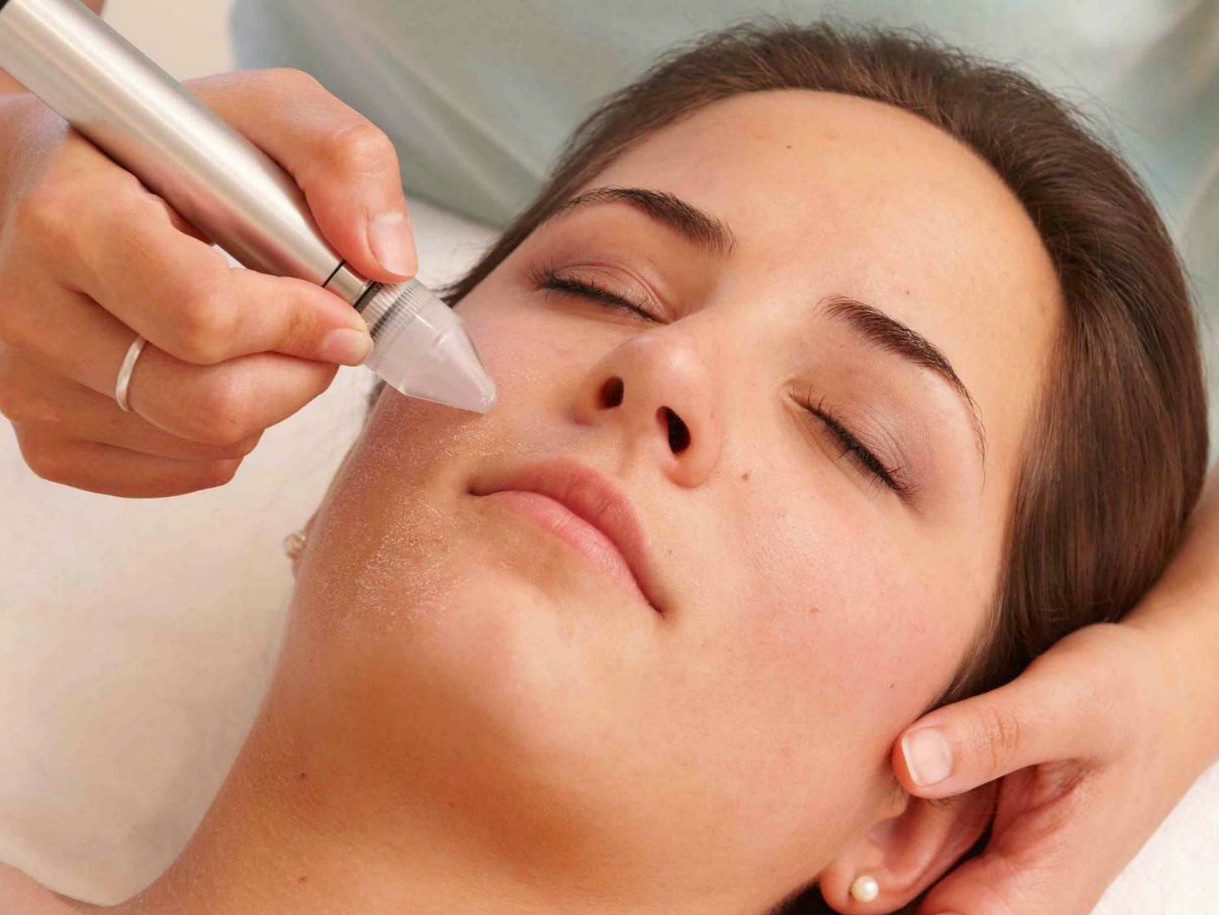
Rough buffing of the skin does a better job of removing wrinkles and acne scars and stimulating healing than a gentler rubbing, University of Michigan researchers report. Known as microdermabrasion, skin buffing has become a popular way to improve the appearance of wrinkles, acne scars, skin discoloration and other signs of aging skin. The procedure involves buffing the skin with grains of diamond or another hard substance such as aluminum oxide crystals, the researchers explain.

Laser resurfacing is considered the “gold standard” for removing wrinkles, acne scars and skin discoloration, but it requires a long healing period after treatment and can sometimes leave the skin damaged, said study leader Dr. Darius J. Karimipour, an assistant professor of dermatology at Michigan. But with microdermabrasion, he said, the skin heals quickly. Someone could have a treatment at lunchtime and return to work with only a little redness. The researchers’ goal was to make microdermabrasion more effective, he said.

“We came up with the idea of a more aggressive approach,” Karimipour said. “If we treated the skin more aggressively with microdermabrasion, we could generate more collagen.”

The key to improving the appearance of skin is to have the treatment induce the production of collagen, which is an important skin protein, Karimipour explained. Earlier studies had found that aluminum oxide microdermabrasion does not always stimulate collagen production, but he said it was not known if that could be achieved with a more abrasive substance.

To find out, Karimipour’s team took skin samples from the arms of 40 people with sun-damaged skin. Samples were taken before and after the participants had microdermabrasion with either a coarse- or medium-grit, diamond-studded wand. The researchers found that the course-grit diamond increased the production of compounds associated with wound healing and skin remodeling. These included cytokeratin 16, which helps skin heal after injury. In addition, the coarse-grit buffing produced antimicrobial peptides that fight infection and substances that break down the skin’s structural proteins to let the skin rebuild. The researchers also found that skin produced other substances that induce collagen production. These changes were not seen in skin treated with the medium-grit device, they noted.

Their findings are published in the October issue of Archives of Dermatology.

“This research gives us the basis to believe that aggressive microdermabrasion abrasion could potentially result in beneficial effects like we see in other more aggressive procedures, like laser resurfacing,” Karimipour said. However, he predicted that aggressive microdermabrasion would not replace laser resurfacing. Microdermabrasion is not for the most severe cases but rather for fine-line wrinkles and shallow acne scars, he said.

Dr. Jeffrey Salomon, an assistant clinical professor of plastic surgery at Yale University School of Medicine, said that “the more damage induced to the skin, by whatever mechanism, the stronger the body’s repair response.”

For microdermabrasion-induced injury, coarseness of the grit is only one part of the picture, Salomon said. “The duration of application, pressure applied during the application and the recipient skin thickness are also parameters, just like different grit of sandpaper are used for different types of wood and different types of applications,” he said.

Treating the skin first with chemical peeling agents can reduce the amount of grit needed to get a skin-repair response equivalent to that of a coarser-grit wand, Salomon said. “So there are a variety of parameters that can be manipulated to achieve equivalent results, independent of the coarseness of the grit,” he said. “In the end, you do need to induce an injury to the skin to get objective evidence of skin rejuvenation.”

25Jan

You too, can have a skin like this

by Lasermed

At 50, Lasermed/Dermashop manager Penny Jenkinson has the creamiest, most beautiful skin. Her secret? Maintaining a healthy skin with scientifically proven topical creams, including sun protection daily and non-invasive superficial chemical peels or medical microdermabrasion.

She explains that the following ingredients are vital when choosing topical creams:

Vitamin A (it repairs damaged skin cells, speeds up cell turnover and stimulates collagen production, powerful antioxidant to fight free radicals that cause premature ageing)

Vitamin C (stimulates fibroblasts to produce healthy collagen, helps to treat pigmentation, offers additional sun protection, powerful antioxidant to fight free radicals that cause premature ageing)

Fruit acids (Alpha Hydroxy Acids or Poly Hydroxy Acids): dissolve outer layers of dead skin, allowing for better product penetration and smoother skin texture

Pigment lightening to lighten visible signs of sun damage and pigmentation, as well as repairing and delaying further pigmentation coming to the surface. Sun spots and skin discolouration are as a result of years of sun exposure, however, the damage only becomes visible 10 t0 20 years later

Sun protection SPF 50. It must be applied twice daily throughout the year, summer and winter. Apply to you face, neck, chest and hands as well as other exposed areas. Apply it 30 minutes before going outdoors. Living in South Africa, we are exposed to the sun every single day – walking to the shops, driving to work and collecting children etc.

Penny’s favourite skin care products are:

  1. Neostrata Bionic Face Cream:

I have used this as my night cream for the last 15 years. It contains Poly Hydroxy Acids to gently dissolve dead skin and Lactobionic Acid to improve the hydration of the skin and seal in water to prevent moisture loss. The skin appears plump and well nourished, minimizing fine lines. If I use it during the day, I mix it with a bland moisturiser such as Epimax, so that my make up glides on.

Before Neostrata launched its Skin Active Range, the Bionic Face Cream was its ultimate anti-ageing product. Ideal for dry and dehydrated skin.

  1. Skin Tech Atrofillin Cream

Atrofillin the ‘skin filler in a jar’ was awarded the European Best Anti-Ageing Cream in 2013. It’s a skin volumiser as it binds with subcutaneous tissue to add volume to the face (as we age, we start to loose volume, which makes us look old and drawn). It also contains kojic acid to brighten the skin, lighten sun spots and even out skin colour. It creates a uniform skin colour. It contains Resveratrol which is one the most potent antioxidants and DMAE to tighten the skin. I use this as my day cream and apply sun protection over it.

  1. Dermaquest 3D Stem Cell Eye Cream

It addresses all signs of ageing around the eyes (pigmentation, dark circles, puffiness, fine lines and wrinkles, thinning of the skin). The plant stem cells help to tighten and firm the skin too. Use it morming and night.

  1. Obagi Vitamin C 15% serum

This powerful anti-oxidant is my insurance policy to maintain a healthy skin.

     5. Heliocare 360 Mineral Cream SPF 50

The Heliocare 360 range is considered to be a medical sun block as it has properties to prevent skin cancer. The mineral cream is ideal for sensitive skin and for someone who does not like a “chemical sun block”. I like the finish it gives and acts as an excellent base/ primer for my foundation.

PROFESSIONAL TREATMENTS

Despite the market being flooded by so many choices, superficial chemcial/ fruit acid peels have been available since 1960. The founders of NeoStrata, discovered the benefits of fruit acids to treat almost every skin concern without any downtime or major discomfort. A wide variety of chemical peels allow us to safely and effictively treat all skin types and conditions, with minimal risk.

Although chemical peels remove the outer layer of dead skin, they do not thin the skin structure. Clinical studies show that chemical peels indirectly or directly, strengthen the epidermis and dermis, giving us a firmer, smoother skin texture.

We can’t stop the ageing process, but we can delay it. As we age, we may need to introduce other treatments such as fractional resurfacing lasers (Mosaic), wrinkle reducing injections etc. To achieve optimum results in our 50s, we need to combine a variety of treatment options, based on our main concerns.

An evenly coloured, radiant, glowing skin is beautiful at any age.

 

  • right-arrow2
  • 1
  • …
  • 33
  • 34
  • 35
  • 36
  • 37
  • …
  • 44
  • right-arrow

Date Posts

April 2026
M T W T F S S
 12345
6789101112
13141516171819
20212223242526
27282930  
« Jul    

Tags

Acne acne scars Ageing skin Alexandrite laser anti-ageing Chemical peels Dermapen fine lines and wrinkles Fractional laser Frax 1550 glycolic acid peel hair loss hyperpigmentation IPL laser hair removal Lasermed lasermedbeautifulskin Microdermabrasion Microneedling Mini Frax 1550 moisturiser pigmentation port wine stains Post-traumatic scarring Q-switched laser Q Switched ND:Yag laser Rejuvenation sagging skin skin cancer prevention Skincare skin hydration skin rejuvenation skin tightening Smoother skin solar lentigos Spider veins sunscreen sunscreen mistakes sunspots sun spots Tattoo removal Telangiectasias Utims HIFU vascular laser wrinkles

Blog Posts

Set post(s) as "Featured" to see block

Archives

  • July 2023
  • June 2023
  • May 2023
  • April 2023
  • March 2023
  • February 2023
  • January 2023
  • December 2022
  • November 2022
  • October 2022
  • September 2022
  • August 2022
  • July 2022
  • June 2022
  • May 2022
  • April 2022
  • March 2022
  • February 2022
  • January 2022
  • December 2021
  • November 2021
  • October 2021
  • September 2021
  • August 2021
  • July 2021
  • June 2021
  • May 2021
  • April 2021
  • March 2021
  • February 2021
  • January 2021
  • December 2020
  • November 2020
  • October 2020
  • September 2020
  • August 2020
  • July 2020
  • June 2020
  • May 2020
  • April 2020
  • March 2020
  • February 2020
  • January 2020
  • December 2019
  • November 2019
  • October 2019
  • September 2019
  • July 2019
  • June 2019
  • May 2019
  • April 2019
  • March 2019
  • February 2019
  • January 2019
  • December 2018
  • November 2018
  • October 2018
  • September 2018
  • August 2018
  • July 2018
  • June 2018
  • May 2018
  • April 2018
  • March 2018
  • February 2018
  • January 2018
  • November 2017
  • October 2017
  • September 2017
  • August 2017
  • July 2017
  • June 2017
  • May 2017
  • April 2017
  • March 2017
  • February 2017
  • January 2017
  • December 2016
  • November 2016
  • October 2016
  • September 2016
  • August 2016
  • July 2016
  • June 2016
  • May 2016
  • March 2016

To receive email updates, please provide us
with your email address below.

    Lasermed Tyger Valley

    • placeholder-for-map-16th Floor, Intercare Medical & Dental Centre, 43 Old Oak Road, Bellville, Cape Town
    • telephone-1+27 21 914 6006

    Lasermed City Bowl

    • placeholder-for-map-1181 Bree Street, Cape Town
    • telephone-1+27 21 424 5078
    Copyright 2023 Lasermed | All Rights Reserved | facebook-logo   instagram | Written, designed and maintained by Tomar Communications
    up-arrow-1