One of the main risk factors for non-melanoma skin cancer (NMSC), the most common cancer worldwide, is solar ultraviolet radiation. A new Journal of the European Academy of Dermatology and Venereology study has found that different outdoor professions carry different risks for NMSC.
In the study of 563 participants (47% women) consisting of 348 outdoor workers (39% farmer, 35% gardener, 26% mountain guides) and 215 indoor workers, NMSC was diagnosed in 33.3% of mountain guides, 27.4% of farmers, 19.5% of gardeners and in 5.6% of indoor workers.
Significant differences were seen between the outdoor professions with mountain guides at the highest risk. Substantial differences between the professions were also seen in skin cancer screening rates (indoor worker 61.4%, mountain guides 57.8%, farmers 31.9%, gardeners 27.6%), daily ultraviolet radiation exposure during work, and protective behavior such as sunscreen use during work.
The findings suggest that tailoring prevention efforts to different professions based on their individual needs could help lower the global burden of NMSC.
“Altitude and number of hours working outside seem to make the difference,” said lead author Dr. Alexander Zink, of the Technical University of Munich, in Germany. “Adjust your sun protection accordingly!” – sciencedaily.com
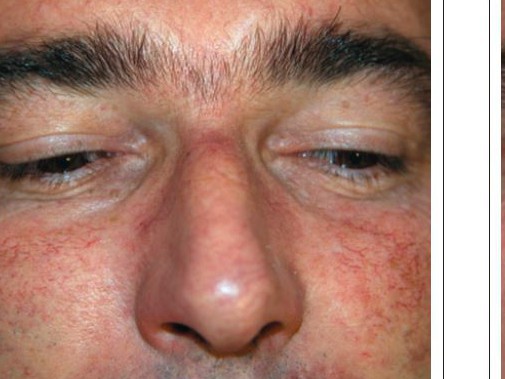
Broken thread veins on the nose can have a significant impact on a man’s confidence in business and social situations. Reason being that many people associate a vein-riddled red nose with ’drinker’s nose’. Although alcohol can play a role, there are many other causes. Among these are sun damage, rosacea, extreme temperatures, genetics, environmental irritants and pressure changes.
Soaring numbers of men are seeking laser treatment to boost their confidence and look their best. The results are well worth it.
Spider veins are a sign of impaired blood flow. When the the vein structures are impaired, blood is retained within the veins. Through simple lifestyle changes and obtaining professional guidance , individuals can minimise the appearance of spider veins on the nose. Laser treatment for one, works very well.
Other steps to take include: wearing sunscreen daily; eating Vitamin K-rich foods such as soybeans, cauliflower and fortified cereals, as well as vitamin C-rich foods such as fruit; reduce or stop using topical steroids, which can lead to the development of acne rosacea; consult a dermatologist to learn about treatment options.